Psychology Design vs Aesthetic Design: Driving User Decisions
- News
- May 25, 2026
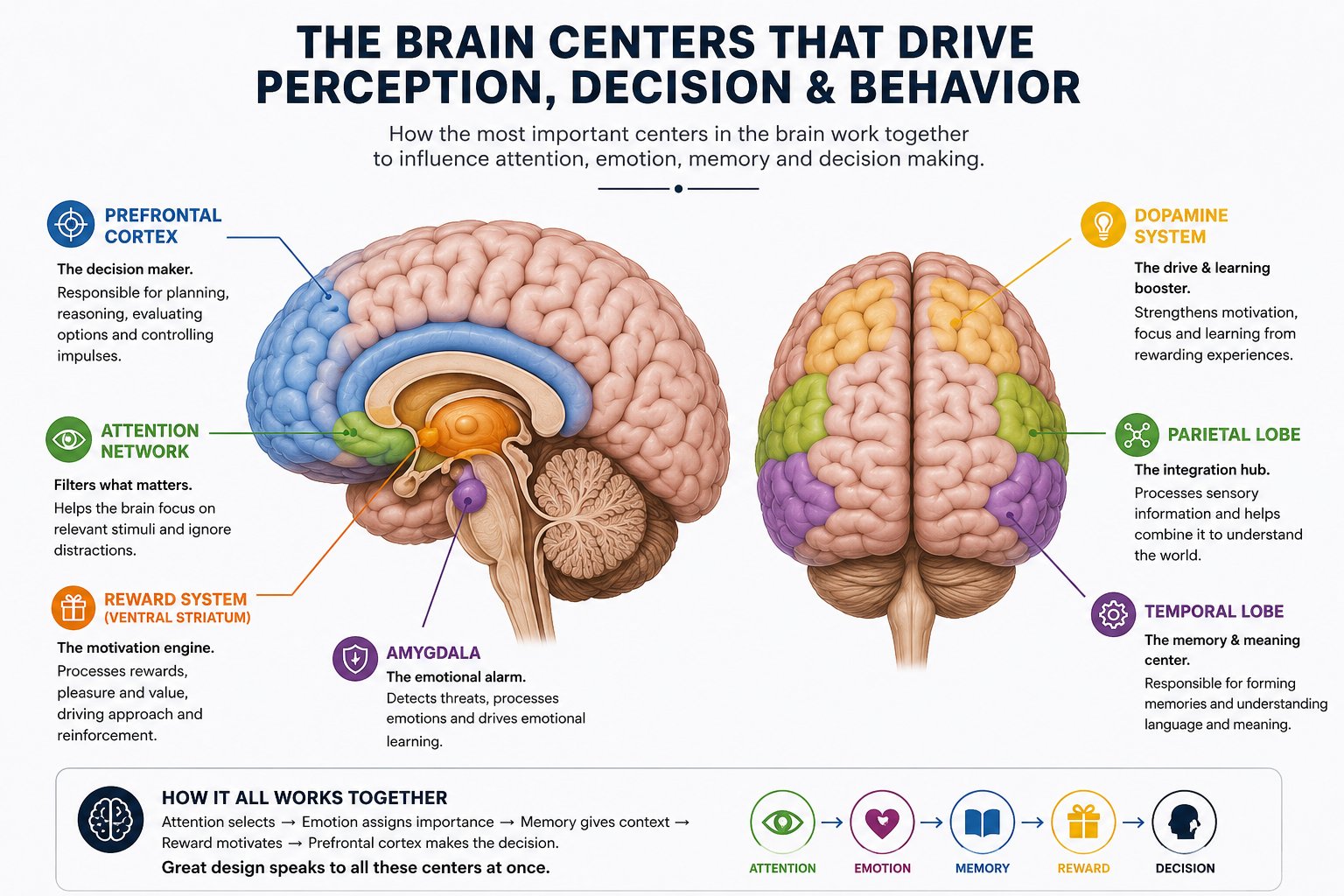
In the digital world, we often hear that “good design is beautiful design.” Businesses spend thousands of dollars making sure their websites, apps, and marketing materials look sleek, modern, and visually stunning. But have you ever seen a gorgeous website that completely failed to convert visitors into customers? That is because there is a massive difference between surface-level aesthetics and intentional Psychology Design. While one pleases the eye, the other drives human behavior. If you want your business to grow, you need to understand the difference.
What is Aesthetic Design?
At its core, aesthetic design focuses on how a product looks. It is all about the visual appeal—the perfect color palette, trendy typography, beautiful imagery, and symmetrical layouts.
-
The Goal: To make the user say, “Wow, this looks nice.”
-
The Focus: Surface-level beauty and artistic expression.
-
The Limitation: It treats design as art rather than a functional tool.
Don’t get it wrong: aesthetics do matter. A clean, beautiful layout builds initial trust. But looks alone won’t keep a user engaged if they don’t know what to do next.
Why Brands Must Shift to Psychology Design
To build a high-converting digital presence, you must shift the focus from how a design looks to how it works. This behavioral framework leverages cognitive science, human psychology, and user experience (UX) principles to influence how a customer reads, understands, and makes decisions.
Instead of just asking, “Does this color look good?” an optimized approach asks:
-
Where will the user’s eyes move first?
-
How can we reduce the cognitive load so they don’t get overwhelmed?
-
What visual cues will trigger them to take action?
The Bottom Line: Aesthetic design addresses the eye. Psychology-based design addresses the way decisions are made inside the brain.
How Psychology Design Drives Faster Decisions
When you design with the human brain in mind, you clear the path to conversion. Here is how implementing psychological frameworks speeds up the customer decision-making process:
1. It Enhances Visual Hierarchy
The human brain is lazy; it wants to consume information with the least amount of effort possible. Strategic layouts use size, contrast, and spacing to create a clear visual map. It tells the reader exactly what is most important, where to look next, and how to navigate the page without thinking.
2. It Minimizes “Cognitive Overload”
When a user is hit with too many choices, too much text, or chaotic visuals, their brain experiences friction. In psychology, this is known as Hick’s Law—the time it takes to make a decision increases with the number and complexity of choices. Smart structuring uses strategic whitespace and concise layouts to make information digestible, helping users make decisions faster.
3. It Leverages Emotional Triggers
Colors aren’t just pretty; they evoke subconscious feelings. Button placements aren’t random; they align with natural thumb and eye movements. By understanding psychological triggers, you can guide a user toward a desired action (like buying a product or signing up for a newsletter) using natural behavioral patterns.
Aesthetic vs. Psychology: A Quick Comparison
To see how these two approaches differ in practice, take a look at the table below:
| Feature | Aesthetic Design | Psychology Design |
| Primary Focus | Visual beauty and trends | Human behavior and cognition |
| Target Audience | The eyes | The brain’s decision-making centers |
| Key Metric | Visual appeal / “Likes” | Conversion rates and user comprehension |
| User Experience | “This website looks pretty.” | “This is exactly what I was looking for.” |
Conclusion: Great Design Speaks to Both
You don’t have to sacrifice beauty for functionality. In fact, the highest-converting digital products combine both.
When you layer beautiful aesthetics on top of a solid, psychology-backed framework, you create a powerful user experience. You give the eyes something beautiful to look at, while simultaneously giving the brain an easy, frictionless path to making a decision.
Stop designing just for looks. Start designing for the brain.
References & Further Reading
-
Laws of UX: Hick’s Law: Making Decisions Simple – A deep dive into how minimizing choices and reducing cognitive friction accelerates user decision-making.
-
Nielsen Norman Group: Visual Hierarchy in UX and Website Design – Evidence-based user experience research on how layouts guide the human eye and manage attention.
-
Harvard Business Review: The Science of Sensory Marketing – An analysis of how subtle, subconscious visual and emotional triggers fundamentally alter consumer behavior and perception.